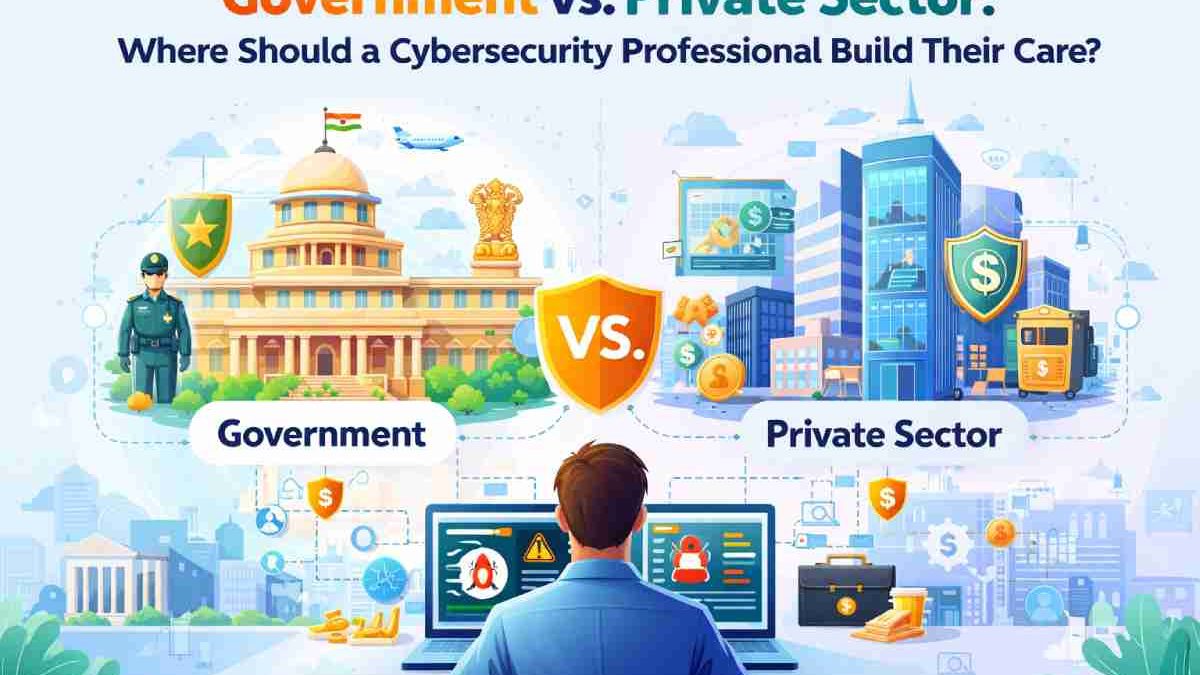
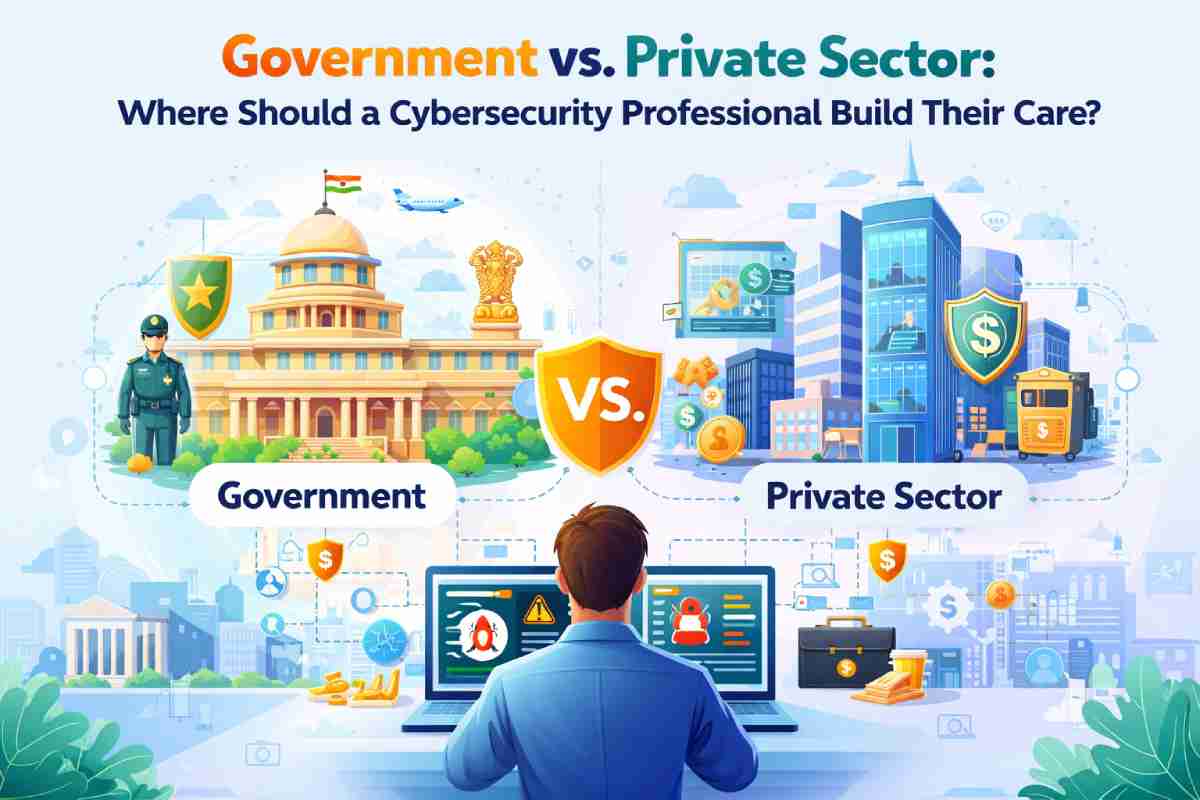
In 2024 the global shortage of qualified, high-level cybersecurity careers and talent hit a new high, and recruiters on both sides of the public‑private fence are scrambling to lure the best minds. For a freshly minted analyst, a seasoned incident responder, or anyone in between, the central career question is no longer “What role should I take?” but “Where should I build my career – in government or in the private sector?” The answer isn’t a simple “one‑size‑fits‑all.” It depends on personal values, risk tolerance, preferred work style, and long‑term goals.
This article breaks down the key differences, weighs the tradeoffs, and offers a roadmap to help you choose the environment that aligns with your professional ambitions.
Table of Contents
The Government Landscape: Mission‑First Cyberdefense
A. Scope of Work
Government agencies— that include positions like federal agents, state police, and municipal servants—protect national critical infrastructure, intelligence assets, and citizens’ data. Roles range from protecting classified networks at the Department of Defense to securing election‑system software for state election boards. The work often involves long‑term, high‑impact projects such as building secure authentication frameworks for the Social Security system or hardening the nation’s power grid against ransomware.
B. Stability & Benefits
Public‑sector positions are renowned for job security. Budgets for cybersecurity are increasingly protected because a breach in a government system can have geopolitical repercussions. Benefits packages typically include generous retirement plans (Thrift Savings Plan for federal employees), health coverage, paid leave, and, in many cases, tuition assistance for advanced certifications.
C. Bureaucracy & Pace
The flip side is the inevitable bureaucratic layering. Procurement cycles can stretch months, and policy approvals often require multiple sign‑offs. This can slow innovation and make it frustrating for professionals who thrive on rapid iteration. Additionally, many government roles require security clearances that involve background checks, polygraph tests, and ongoing monitoring—an investment of time that can delay entry.
D. Culture & Mission
If you are driven by a sense of public service, the government offers a palpable sense of purpose. Successful defense of a nation’s election infrastructure or a successful operation against a state‑sponsored hacking group can feel profoundly rewarding. The culture tends to be more team‑oriented, with a focus on collective mission success over individual accolades.
The Private Sector: Agility, Innovation, and the Bottom Line
A. Variety of Industries
From fintech startups to Fortune‑500 manufacturers, the private sector offers a dizzying range of verticals. This means you can specialize in cloud security, IoT device hardening, threat hunting for e‑commerce platforms, or AI‑driven fraud detection—all within a single career trajectory.
B. Compensation & Advancement
Private‑sector salaries typically outpace government pay scales, especially at mid‑level and senior positions. Performance bonuses, stock options, and profit‑sharing plans add considerable upside. Career ladders are often more fluid; a successful project can catapult you from analyst to manager within a few years, especially in fast‑growing tech firms.
C. Speed of Change
Companies operate on quarterly cycles, and the pressure to ship new features quickly means security teams must embed controls directly into DevOps pipelines. This “shift‑left” environment can be exhilarating for professionals who enjoy hands-on, real‑time problem solving and continuous learning of emerging tools.
D. Pressure & Burnout
The same speed that fuels innovation also breeds high‑stress environments. Incident response windows are often measured in minutes, and the cost of a breach can be expressed in millions of dollars and reputational damage. Expect longer hours during product launches or after a major security incident and be prepared for a culture that prizes metrics.
Decision‑Making Framework: What Matters Most to You?
- Purpose vs. Pay – If protecting democracy and public utilities outweighs a higher paycheck, the government may feel more fulfilling.
- Risk Appetite – Do you thrive under pressure and enjoy rapid change? Private firms reward that energy. If you prefer predictable workloads, the public sector’s steadier rhythm may suit you.
- Lifestyle Considerations – Family commitments, geographic flexibility, and willingness to relocate for a clearance‑friendly hub (e.g., Washington, D.C., or Fort Meade) are practical factors.
- Learning Curve – Government roles often provide access to classified threat intel and advanced government‑only tools. Private firms expose you to cutting edge commercial technologies and agile development pipelines.
- Long‑Term Vision – Imagine where you want to be in ten years. Do you see yourself as a senior policy advisor shaping national cyber law, or as a CISO steering a multinational corporation’s security strategy?
Conclusion
There is no universal “right answer.” A government career provides unparalleled stability, a deep sense of public mission, and exposure to nation‑level threat intelligence. The private sector offers higher compensation, rapid advancement, and a front‑row seat to the latest technological innovations.
By aligning your personal values, lifestyle preferences, and long‑term aspirations with the distinct attributes of each sector, you’ll not only find a job you love—you’ll build a career that stands resilient against the ever‑changing tides of the cyber threat landscape.