When exploring flooring options for an industrial facility, it’s not as simple as choosing a floor based on aesthetics. The industrial sector comprises manufacturing facilities, warehouses, distribution centres, food and beverage production factories, and specialised industrial settings like data centres – all of which will need specific flooring options to meet the needs of the business!
Industrial flooring must be able to withstand heavy foot traffic, strict cleaning schedules, moving machinery, and warehouse vehicles, so robust flooring is essential. There are multiple flooring options which can hold up to the demanding environments of the industrial sector, each with its own benefits and customisation options to get the best flooring for your facility.
Table of Contents
Industrial Epoxy Resin Flooring
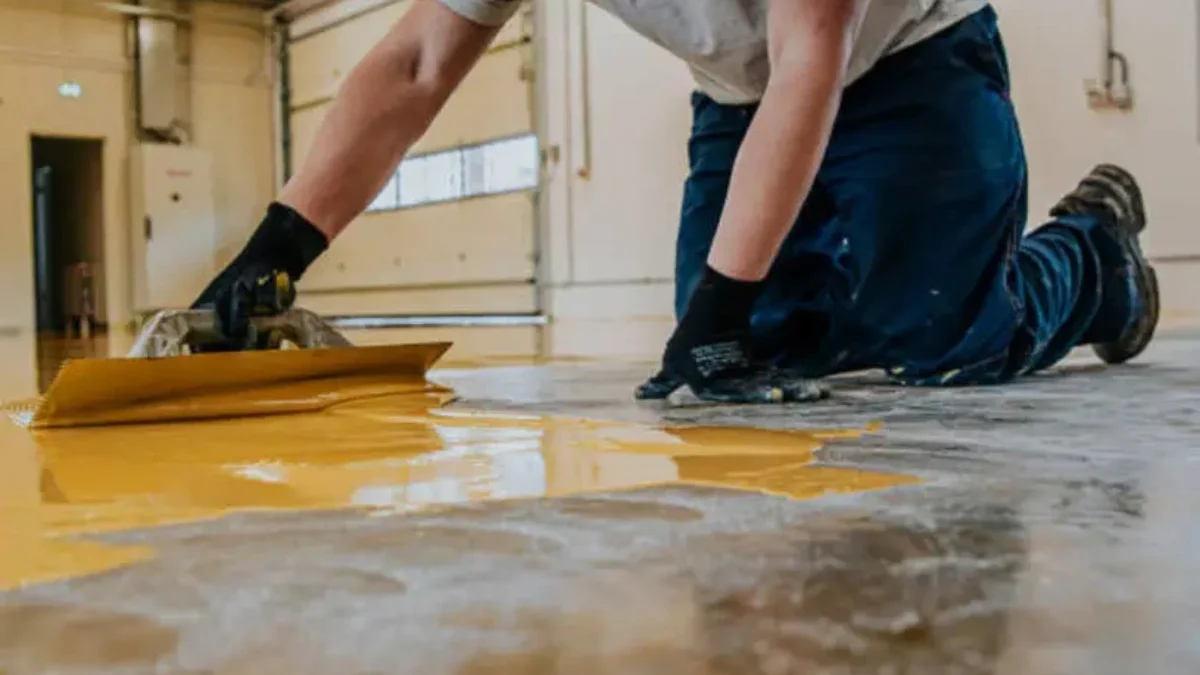
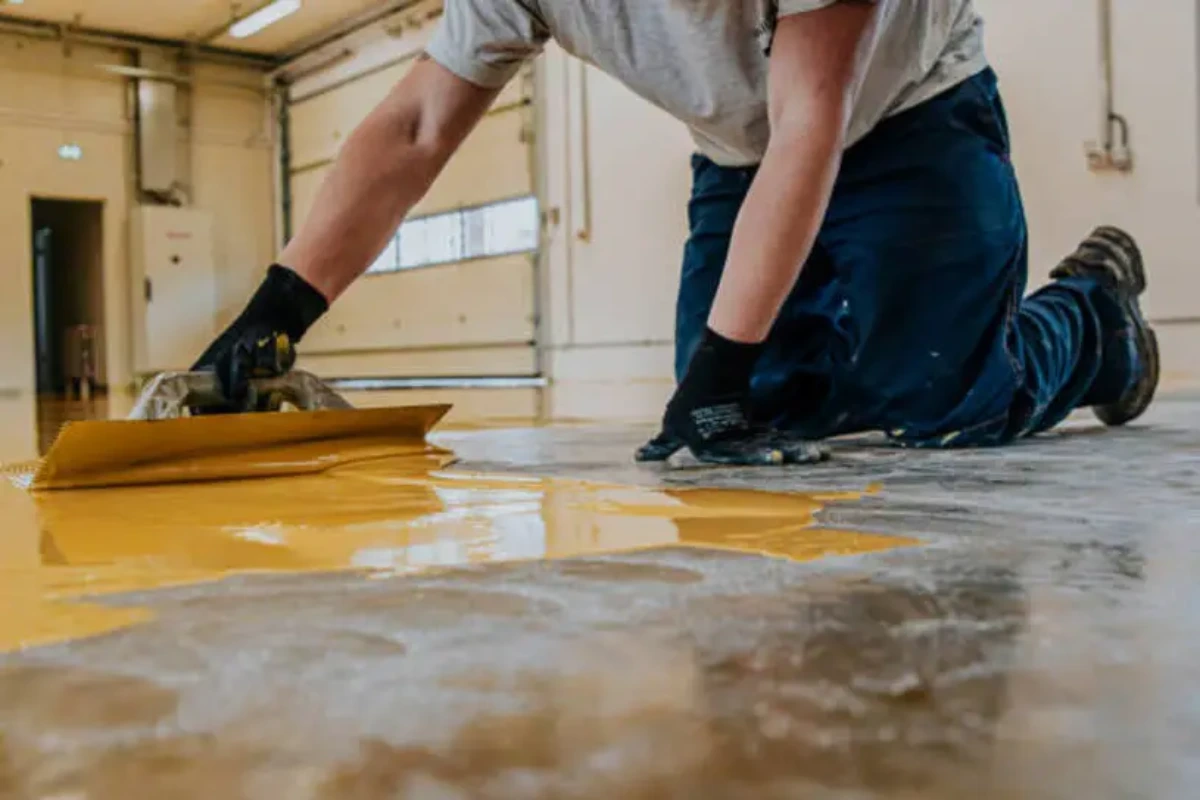
Epoxy resin flooring solutions are ideal for use in the industrial sector in large warehouses and manufacturing facilities due to being able to cover large surface areas quickly, reducing downtime for your facility. An epoxy resin flooring system creates a seamless surface which is non-porous and resistant to oils and chemicals, allowing it to stand up to the demands of your industry for up to 20 years.
John Lord is an epoxy resin flooring company with a range of systems developed and manufactured exclusively in-house to ISO 9001:2008 and 14001 standards. Industrial manufacturing facility flooring from John Lord can include anti-slip additives, with matte or glossy surfaces, with formulas resistant to aggressive chemicals and high temperatures.
One of the benefits of using epoxy resin flooring in your facility is that you can utilise coloured resins to outline walkways and different zones within your facility, ensuring your staff and customers move around your manufacturing facility safely. Your working environment demands a clean, safe flooring option, and John Lord have the capabilities to use antimicrobial technology within the resin to further enhance cleanliness and safety within your facility.
If a resin flooring sounds like the ideal solution for your facility, ensure you use a trusted epoxy resin flooring company to manufacture and install your industrial flooring to avoid any issues.
Keeping it Concrete
The standard flooring option, which is usually already installed in most warehouses or large industrial facilities, is concrete. Used in the construction of most buildings, concrete makes a solid foundation and can be used as a low-maintenance flooring solution.
When properly sealed and polished, concrete can last for decades as a flooring solution, only needing to be swept and mopped occasionally. Concrete is also a thermal conductor, which means it naturally absorbs and releases heat, making it energy-efficient when paired with underfloor heating. However, if you do not have underfloor heating installed, the floor can get very cold during the colder months, or if your facility is temperature controlled.
One of the key benefits of having a concrete floor in an industrial facility is its durability. When poured as a single, seamless flooring solution, concrete can handle heavy loads and is impact-resistant, withstanding heavy vehicles and machinery with ease. The durability and strength of the floor can be a downside in some industries, such as when working with fragile products, where you want the floor to absorb some shock from falling items, so they don’t break.
A concrete floor is unsuitable for industrial environments that handle chemicals and liquids, such as food and beverage production facilities. Concrete is not waterproof and is highly porous when left untreated, which means any fats, oils, and liquids from the production process will seep into the floor, and cleaning products will degrade the floor, leading to cracks forming.
Concrete floors can be covered with an epoxy resin flooring as a solution to combat some of the problems that can arise from untreated concrete. Using a resin over the concrete will allow it to be cleaned with ease and allow it to be used in more applications where harsh chemicals and cleaning products will be used.
Vinyl Flooring Solutions
Industrial vinyl flooring solutions are similar to those used in commercial settings, with additional safety features built in, and are suitable for high-traffic environments. There are different types of industrial vinyl flooring, each with features that will benefit specific industries and applications.
Electrostatic Discharge (ESD) Vinyl
Designed for use in the electronics manufacturing industry, Electrostatic Discharge Vinyl safely grounds static electricity, making it ideal for data centres and server rooms. The robust vinyl allows for foot traffic and machinery to be moved around without creating any static electricity, which can damage components or start a fire in high-risk environments.
Safety Vinyl
Safety vinyl has additional materials built-in, like quartz, to add enhanced slip-resistance, suitable for use in manufacturing facilities that deal with liquids and oils.
Heavy-Duty Sheet Vinyl
Sheet vinyl creates a continuous, heavy-duty surface that is hygienic and highly resistant to spills and punctures, and can withstand foot traffic and warehouse vehicles like pallet trucks.
Interlocking PVC Tiles
This modular vinyl tile solution is an alternative to sheet vinyl; it has the same heavy-duty flooring solution as sheet vinyl, with the added benefit of being able to replace any damaged sections without any downtime in your facility.
Finding your Ideal Industrial Flooring Solution
After doing considerable research on the specific types of flooring that are suitable for the industrial sector, to find out if a flooring solution is right for a specific application, it’s best to consider the following:
Health and Safety
All industries have specific health and safety regulations and requirements that they must adhere to, so ensure your flooring meets these specifications. Check for anti-slip additives, antimicrobial properties and shock absorbance to ensure its suitability for your application.
Durability
Different flooring options offer different levels of durability, where some can withstand high foot traffic, while others can only handle light foot traffic, so ensure you’re choosing one which can handle all your equipment and machinery.
Chemical and water resistance
If the facility you’re working in handles chemicals and liquids, or is required to have a stringent cleaning regime, it’s best to choose a waterproof flooring solution which is resistant to chemicals to avoid any damage to your flooring and ensure longevity.
Also read: What Companies Are In The Consumer Services Field?