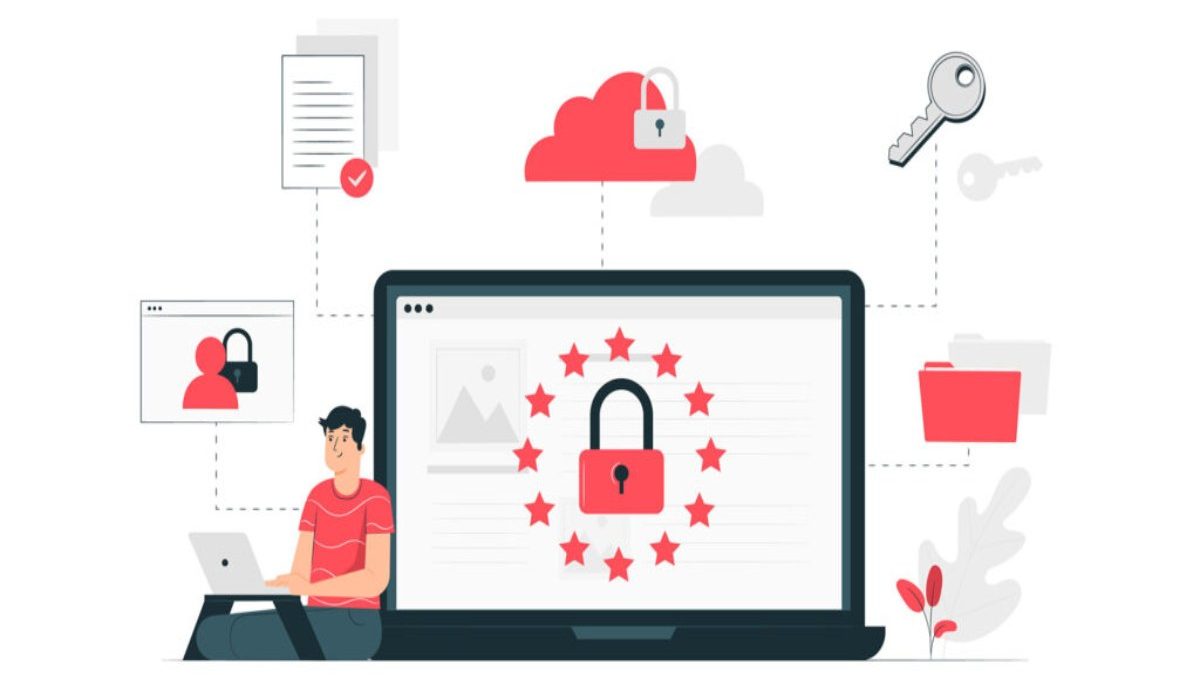
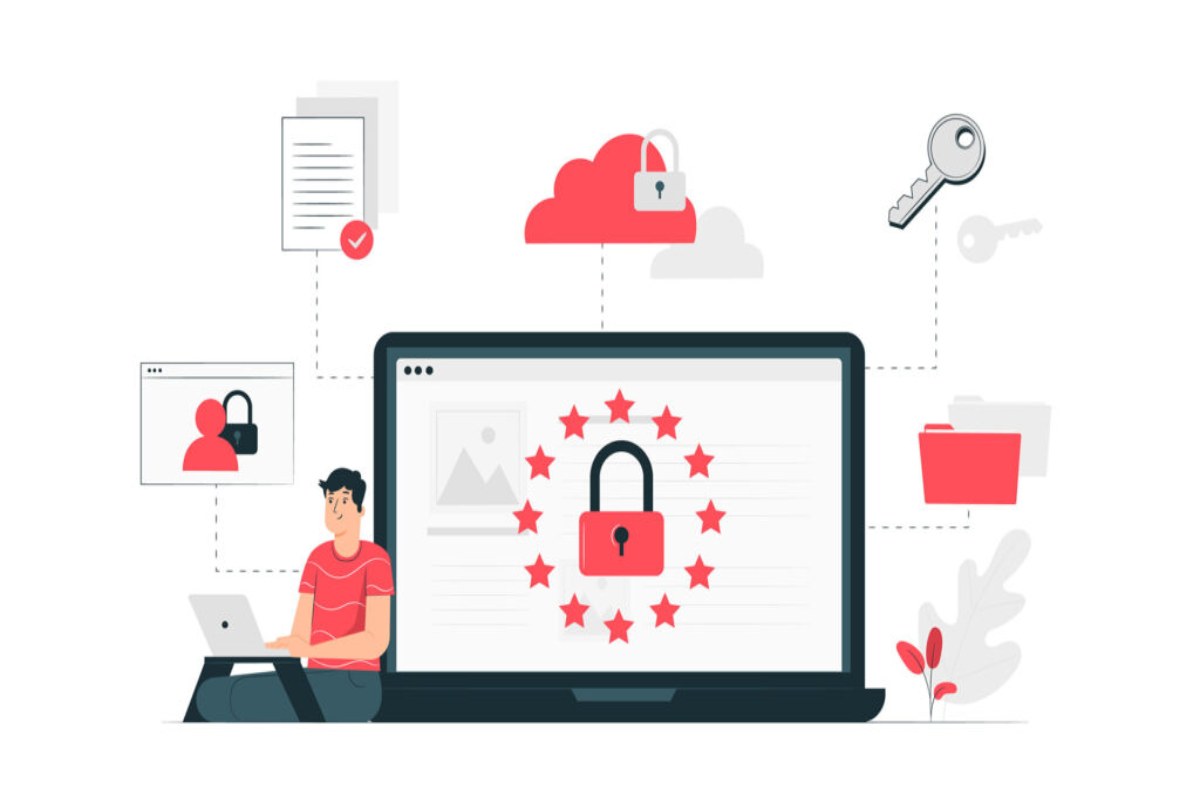
High schools, colleges, and universities have been among the most vulnerable targets in the world of cybercrime. Many academic institutions have improved their cybersecurity measures, but they can’t always protect remote students. That’s because remote students must rely on their own networks and cybersecurity knowledge, which may be limited.
Remote students don’t get the same level of protection as brick-and-mortar students, and hackers know that. Luckily, cybersecurity resources and information are more widely available than ever. Remote students may be vulnerable, but they don’t have to be.
That said, someone who is working while attending nursing school understandably may not prioritize cybersecurity. After all, remote students are quite busy, but even learning about the threats they face can make a big difference. So, why are remote students big targets for cybersecurity threats, and how can they stay safe?
Table of Contents
They Rely on Technology
Naturally, remote students rely on technology more than traditional, in-person students. Sure, any student can use a laptop or tablet, but remote students need them to complete their curriculum. Cybercriminals know this, and that’s why they’ve shifted much of their attention toward remote students.
Remote students often use the same programs and visit the same student portals and websites as their peers. To a cybercriminal, this makes remote students seem like sitting ducks. That’s why installing antivirus software is so important for remote students.
Antivirus software should be at the top of your work-from-home safety checklist. Of course, you must narrow your focus on reputable software to ensure you can protect your devices from modern, advanced malware and ransomware.
Remote Students Use Interconnected Communication Platforms
Just because you go to school remotely doesn’t mean you are far removed from your peers. On the contrary, remote students are often just as connected as brick-and-mortar students. That’s because they use many collaboration and communication platforms to stay in touch and share information.
Cybercriminals see this as the perfect opportunity to set up phishing scams and spread malware. Some younger students may not fully understand phishing scams and other cybercriminal tactics. Because of that, they don’t always know what to look for, and malware can easily slip through.
This is why it’s so important to educate remote students on the key basics of cybersecurity. Doing so can ensure they know what to look for, so they don’t share sensitive information over insecure networks and open dangerous attachments.
Residential Wi-Fi is Relatively Weak
At colleges and universities, hundreds or thousands of students and staff use secure Wi-Fi networks. That wasn’t always the case, as college-wide cyberattacks have happened, but many have learned from their mistakes. However, remote students don’t have the luxury of hyper-secure Wi-Fi networks.
It’s no secret that residential Wi-Fi networks aren’t as secure as those you may find at a college or large corporation. Nobody knows this better than cybercriminals, and that’s partly why they target remote students so often. Remote students owe it to themselves to use the best, secure Wi-Fi networks possible.
Updating to Wi-Fi Protected Access 3 (WPA3) encryption and choosing a strong password is a great start. It’s also important to pick a Service Set Identifier (SSI) that nobody can track to you. Even just learning a little bit about how hackers target insecure networks can make a big difference.
Some Remote Students Use Public Networks
If you visit the average coffee shop during busy hours, there’s a good chance you’ll see students and remote workers on their laptops and phones. Most of these people are likely using the coffee shop’s public Wi-Fi network out of convenience.
That makes sense, of course, but using public Wi-Fi networks leaves you vulnerable to many cybersecurity threats. Most public Wi-Fi networks are unsecured, so any smart hacker can use them to steal personal data. This includes data from most smart devices, such as phones, tablets, and laptops.
Remote students shouldn’t browse the Internet on public networks without using a virtual private network (VPN). VPNs encrypt data, ensuring hackers can’t monitor your Internet traffic and steal your information. It’s even worth using a VPN at home to minimize as much risk as possible.
Remote Students Can Protect Themselves One Good Choice at a Time
Each choice you make while studying, working, or browsing online can affect your privacy and safety. Cybercriminals hope that remote students and workers won’t realize how vulnerable they are most of the time. As a remote student, you owe it to yourself to use safe Wi-Fi networks and VPNs to protect your data.
It’s also important to familiarize yourself with basic cybersecurity fundamentals, such as safe data sharing practices. Once an attack happens, all you can do is contain it and hope that nothing too sensitive was stolen. However, you’re better off protecting your network, devices, and privacy before giving any hacker a chance.
Also read: USB Power Strip Flat Plug Extension Cable with 4 USB Ports