If you were to step into the shoes of a Public Safety Director twenty years ago, your toolkit would have looked remarkably traditional. You would have relied heavily on two-way radios, mounted analog security cameras, neatly organized physical binders of emergency response protocols, and the invaluable intuition of seasoned personnel on the ground.
Today, that same office looks less like a traditional command post and more like a high-tech mission control center.
The evolution of the Public Safety Director’s role serves as a fascinating mirror for our times. By examining how this position has transformed, we gain a clear window into how technology has fundamentally altered the landscape of modern security, shifting it from reactive defense to proactive, data-driven orchestration.
Table of Contents
Reactive Response to Predictive Defense
Historically, public safety was defined by its response time. When an incident occurred—whether on a university campus, within a sprawling corporate headquarters, or across a municipality—the primary metric of success was how quickly officers or emergency responders could arrive, assess, and mitigate the damage.
Today, the modern Public Safety Director’s mantra is anticipation, not just reaction. Technology has given rise to predictive security, powered by artificial intelligence (AI) and machine learning. Modern directors utilize software that ingests vast amounts of data—historical crime statistics, weather patterns, social media sentiment, and real-time sensor feeds—to forecast where incidents are most likely to occur.
Instead of waiting for an emergency call, a Public Safety Director can now dynamically reallocate resources, deploy predictive patrols, or harden vulnerabilities before an event materializes. Technology has effectively transformed security from reactive to predictive and prepared.
The Symphony of the Smart Operations Center
Walk into a modern public safety operations center, and you will immediately notice the sheer volume of data streams competing for attention. The modern director does not just manage people; they manage information architecture.
Security has become a tapestry woven from diverse technological threads. High-definition AI-enabled cameras can now automatically detect anomalous behavior, such as a dropped bag in a crowded terminal, unauthorized entry in a restricted zone, or the acoustic signature of breaking glass.
License plate readers (LPRs) track vehicular movement across vast jurisdictions in real-time, while IoT (Internet of Things) sensors monitor environmental hazards, air quality, and structural integrity.
The Public Safety Director’s role has thus evolved into something akin to that of an orchestra conductor. Their primary challenge is no longer a lack of information, but rather the risk of information overload. Consequently, a massive part of their job is implementing and refining integrated platforms—software suites that synthesize disparate data feeds into a single, intuitive “single pane of glass” interface.
This allows decision-makers to filter out the noise and focus exclusively on actionable intelligence.
Navigating the Human-Technology Balance
Despite the breathless pace of technological innovation, the modern Public Safety Director faces a stark reality: security is ultimately a human endeavor. The most sophisticated AI algorithm or drone fleet is useless without well-trained personnel to interpret its outputs and execute human-centric responses.
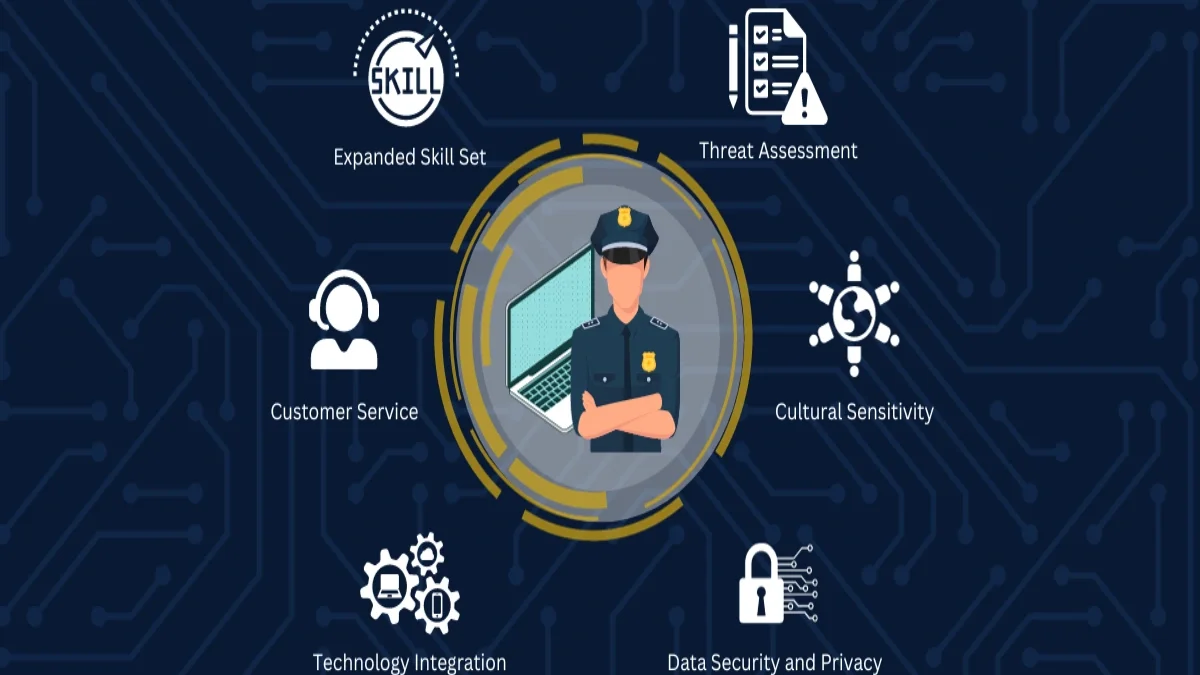
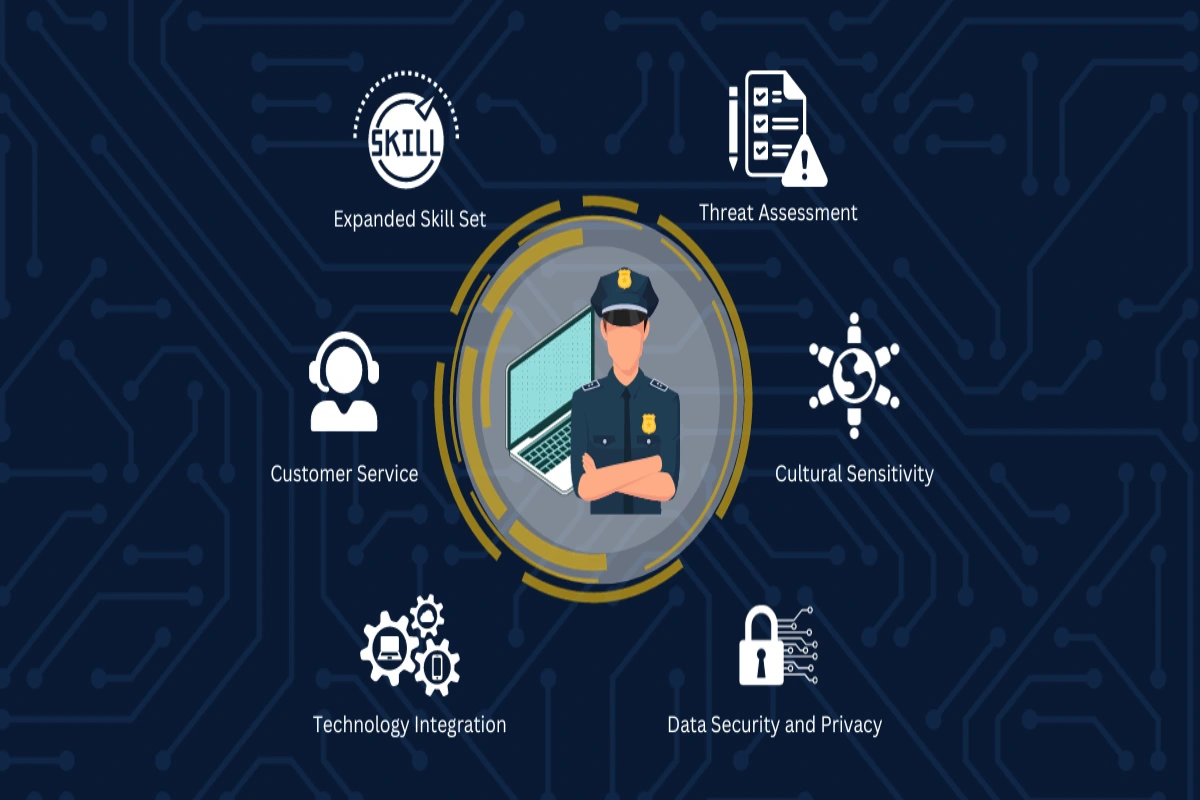
Therefore, a significant portion of a director’s job now involves workforce transformation. They must recruit, train, and retain talent that is digitally literate. Officers and security personnel are no longer just physical guardians; they are digital operators who must understand how to interact with augmented reality (AR) visors, body-worn cameras, complex database software, and automated threat-detection systems.
Furthermore, directors must master the delicate balancing act between safety and civil liberties. As facial recognition, mass data collection, and continuous surveillance become more pervasive, public safety leaders are often the primary arbiters of ethical technology use. They must draft stringent policies that govern data privacy, establish transparent guidelines for community stakeholders, and ensure that technological deployment does not erode public trust.
Interoperability and the Connected Ecosystem
No organization operates in a vacuum, and modern public safety is increasingly defined by collaboration. Whether dealing with a severe weather event, a cyberattack, or a large-scale public gathering, a Public Safety Director must seamlessly coordinate with local police departments, federal agencies, private security contractors, and emergency medical services. Technology has made this level of multi-agency interoperability possible, but it has also made it complex.
Looking Ahead: The Future of the Command Post
The transformation of the Public Safety Director’s role offers a profound lesson about the trajectory of our society. Technology is no longer a mere tool added to a belt or bolted to a wall; it is the foundational infrastructure upon which modern security is built.
As we look to the future—with quantum computing, autonomous robotics, and hyper-connected smart cities on the horizon—the demands on public safety leaders will only intensify. Yet, the core mission remains unchanged. Technology has not replaced the need for courage, empathy, and sound judgment, rather, it has amplified it. By embracing the digital revolution, today’s Public Safety Directors are proving that the future of security lies in the powerful synergy between human wisdom and technological might.