

Have you come across the term “is 35-ds3chipdus3” and wondered if it’s the key to unlocking your editing potential? It seems this term is a bit confusing and likely refers to the Gigabyte GA-P35-DS3 motherboard, which is built around an Intel chipset. While this hardware is from an older generation, the question remains: can it handle modern editing applications? This guide will clarify what the GA-P35-DS3 motherboard offers, its capabilities for creative work, and how you can get the most out of it for your editing projects.
Table of Contents
Understanding IS 35-ds3chipdus3 for Editing Purposes
The Gigabyte GA-P35-DS3 motherboard, powered by the Intel P35 chipset, was a popular choice for its time. It supports Intel Core 2 multi-core processors and DDR2 memory. For editing, its performance is not defined by the motherboard alone but by the combination of the CPU, RAM, and especially the graphics card you install in its PCI Express x16 slot.
While it’s not a modern powerhouse, a system built on this motherboard can handle basic photo and video editing. The overall experience will depend heavily on the other components. Upgrading the processor and adding a capable graphics card can certainly provide a noticeable boost for your creative workflows, making it a viable, budget-friendly option for light editing tasks.
Features and Compatibility with Editing Software
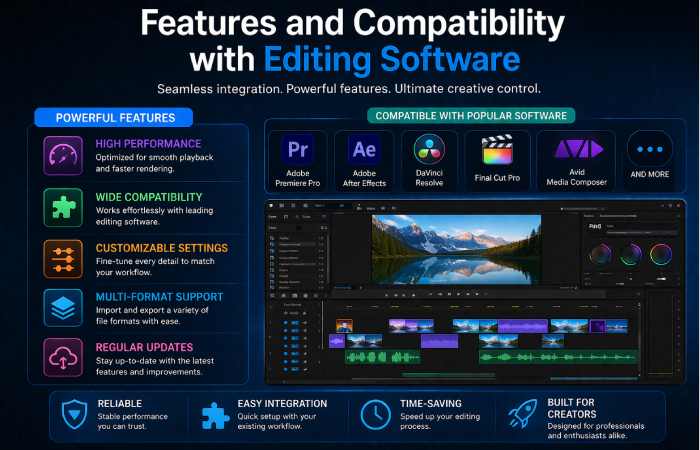
When considering the Gigabyte GA-P35-DS3 for editing, compatibility with your chosen software is key. This motherboard supports various versions of Microsoft Windows, from XP to Windows 7, which are the operating systems for which official drivers are provided. Modern editing apps like Adobe Premiere or Photoshop may have system requirements that exceed what this platform can typically offer, but older versions might run.
The motherboard’s features provide a foundation for an editing build. Its compatibility depends on ensuring you have the right drivers to support the hardware components that your editing app will rely on. The key is to match the software version with your system’s capabilities.
Key features and considerations include:
- Processor Support: Compatible with Intel Core 2 multi-core and 45nm processors.
- Graphics: Features a PCI Express x16 slot for a dedicated graphics card, which is essential for editing.
- Memory: Supports DDR2 1066 memory, which might be a limiting factor for heavy multitasking.
- Storage: Includes SATA 3Gb/s ports with RAID functionality for faster data access.
Performance Benefits in Video and Image Editing Workflows
The performance benefits of using a system based on the Gigabyte GA-P35-DS3 for editing workflows are most evident when the system is properly configured and optimized. While it’s an older Intel platform, pairing it with a powerful Core 2 Quad processor and a decent graphics card can make it surprisingly capable for 1080p video editing or handling large image files.
For enthusiasts, there are ways to push performance even further. Overclocking the CPU can significantly improve rendering times and general responsiveness. Some users even resort to a hardware “mod” to manage voltage droop (VDroop), which can help stabilize an aggressive overclock. This allows the processor to maintain higher clock speeds under load, directly benefiting CPU-intensive editing tasks.
While not for the faint of heart, these modifications show the board’s potential. Here is a look at how different configurations might fare:
| Configuration | Potential Editing Use Case |
|---|---|
| Stock CPU + Basic Graphics | Light photo editing, simple 720p video cuts. |
| Quad-Core CPU + Mid-Range Graphics | 1080p video editing, complex photo manipulation. |
| Overclocked CPU (with mod) + Mid-Range Graphics | Smoother 1080p timeline scrubbing, faster rendering. |
Installation and Setup of 35-ds3chipdus3 for Editing Tasks
Setting up the Gigabyte GA-P35-DS3 motherboard for editing begins with the physical installation of your components, like the Intel CPU, RAM, and graphics card. Once the hardware is in place, the software setup is crucial for stability and performance. This involves installing the operating system and then loading the correct drivers for the motherboard’s components.
After the OS is running, you’ll need to visit the Gigabyte support page to download and install essential drivers. This includes the Intel INF installation (chipset driver), audio drivers, and LAN drivers. For editing, the storage drivers are particularly important, as they can improve how quickly your system reads and writes large media files. You may also need to check for BIOS updates to ensure maximum compatibility and stability.
Installing Drivers and Ensuring Editing Software Support
To ensure your editing app runs smoothly, installing the correct drivers is a non-negotiable step. The most critical driver is the Intel INF installation, which helps the operating system correctly identify and communicate with the motherboard’s core components. Without it, other drivers may not install or function properly.
Next, focus on storage performance, which is vital for video editing. The Gigabyte website provides specific SATA RAID/AHCI drivers. Installing these allows your system to take full advantage of faster drive speeds, reducing bottlenecks when you’re scrubbing through timelines or rendering files. If you plan to use a RAID configuration for speed or data redundancy, these drivers are essential.
Before launching your editing software, make sure you have:
- The latest Intel INF installation (chipset driver) for your operating system.
- The GIGABYTE SATA2 RAID/AHCI preinstall driver for optimal storage performance.
- The latest stable BIOS version for your motherboard revision.
BIOS Updates and Optimization on GA-P35-DS3 Motherboards
Updating the BIOS on your Gigabyte GA-P35-DS3 motherboard is a great way to improve system stability and compatibility, which indirectly benefits editing tasks. BIOS updates often include support for newer processors, fix bugs, and enhance performance. For an aging motherboard, running the latest BIOS version ensures you’re getting the most out of your hardware.
Within the BIOS, you can make several optimizations. One of the most important settings for editing is enabling AHCI (Advanced Host Controller Interface) mode for your SATA drives. AHCI allows for higher disk performance compared to the older IDE mode, which is crucial when working with large video and image files. This simple change can make your editing software feel more responsive.
Furthermore, the BIOS is where you would perform any overclocking to boost CPU performance. By carefully adjusting voltages and frequencies, you can squeeze extra power out of your processor, leading to faster render times and a smoother editing experience. Just be sure to proceed with caution, as improper settings can lead to instability.
Conclusion
In summary, the 35-ds3chipdus3 proves to be a valuable asset for anyone looking to enhance their editing capabilities. With its compatibility and performance benefits, it streamlines workflows for both video and image editing, allowing creators to focus on their projects seamlessly. Proper installation and setup are crucial to unlock its full potential, ensuring that you can take full advantage of its features. As you explore the possibilities with 35-ds3chipdus3, remember that optimizing your system and keeping software updated can make all the difference in your editing experience. If you have questions about how to utilize this chip for your projects, don’t hesitate to reach out!
Frequently Asked Questions
Is 35-ds3chipdus3 suitable for video rendering and creative projects?
Yes, a system based on the Gigabyte GA-P35-DS3 can be suitable for light video rendering and creative projects. Success depends on pairing it with a capable Intel Core 2 Quad processor and a dedicated graphics card. Advanced users can even apply a performance mod to overclock the CPU for faster rendering in their favorite app.
Are there known issues or limitations when editing with 35-ds3chipdus3 installed?
The main limitations of this Intel-based motherboard are its age, support for older DDR2 RAM, and limited compatibility with the latest Microsoft operating systems and graphics cards. Without proper RAID/AHCI drivers, you may also face storage bottlenecks that slow down editing workflows, making the system feel sluggish with large files.
Can 35-ds3chipdus3 be combined with graphics mods for enhanced editing performance?
While the term “graphics mod” is broad, this Gigabyte motherboard features a PCI Express x16 slot, allowing you to install a more powerful, modern graphics card (within compatibility limits). This upgrade is the most effective way to enhance performance in a graphics-accelerated editing app, far more so than any physical motherboard mod.